
15 Authentic Foods Found in Every Serbian Kitchen
Familiar Foods, Flavors, and Traditions Many Serbian Families Grew Up With
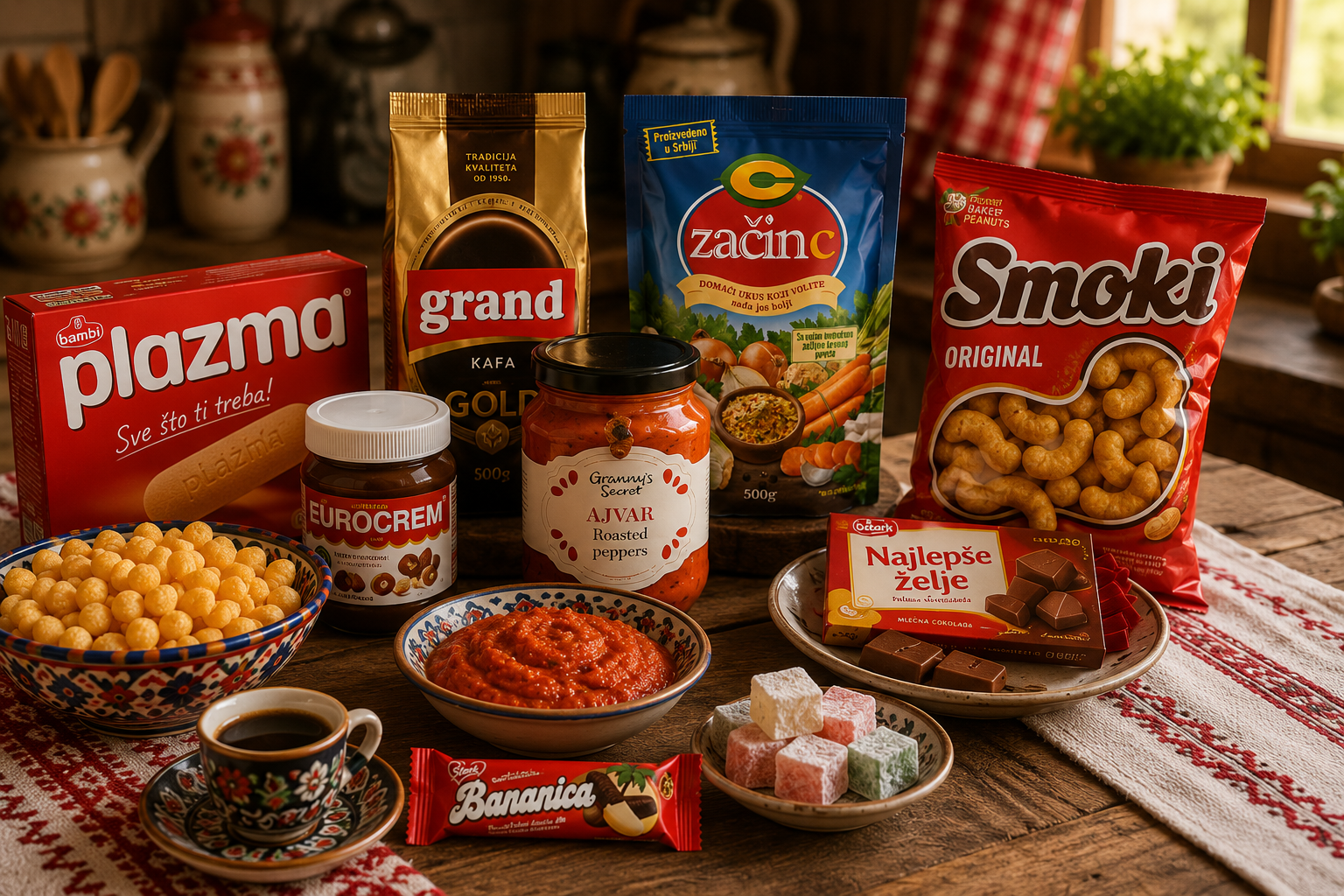
Every Serbian kitchen tells a story.
Sometimes it begins with the rich aroma of coffee brewing early in the morning. Other times it is the sound of fresh bread being sliced for breakfast, peppers roasting in the fall, or a pot of beans slowly simmering on the stove.
Walk into a Serbian home and you will often find the same familiar foods waiting in the kitchen: Grand Kafa in the cupboard, a jar of ajvar in the refrigerator, Začin C beside the stove, Plazma biscuits for the children, and Eurocrem ready for breakfast or homemade palačinke.
These products are not reserved for special occasions. They are part of everyday life.
They appear at breakfast, in school lunches, during family visits, beside cups of coffee, and in the meals prepared from recipes passed down through generations.
For Serbian families living in the United States, finding these familiar foods can bring back memories of childhood and make it easier to share those traditions with children and grandchildren.
At PV Euro Market, our family is proud to offer many of the Serbian foods and brands that generations of families have grown up with.
Coffee Is Always Ready
Grand Kafa
If there is one aroma that can instantly remind someone of a Serbian home, it is freshly brewed coffee.
In Serbia, coffee is more than a morning drink. It is part of welcoming someone into the home.
“Come in. Sit down. I’ll make coffee.”
Family visits, conversations with neighbors, and afternoons with friends often begin with those words.
Traditional Serbian coffee is finely ground and slowly prepared in a small pot called a džezva. It is served in small cups and may be enjoyed with sugar, Turkish delight, biscuits, cake, or simply good conversation.
Grand Kafa is one of the most familiar names associated with those moments. Its bold aroma and traditional flavor have made it a favorite in Serbian households for generations.
Coffee is rarely rushed. It is meant to be enjoyed slowly while people talk, laugh, share news, and stay at the table longer than they originally planned.
Simple Serbian Breakfast Favorites
A Serbian breakfast can be light or filling, but fresh bread is usually close by.
The table might include cheese, yogurt, eggs, tomatoes, peppers, ajvar, pâté, cured meat, or something sweet. On a busy morning, breakfast may be as simple as bread with Eurocrem or a few Plazma biscuits with milk.
Plazma
Few Serbian products bring back as many childhood memories as Plazma.
Plazma biscuits are eaten on their own, dipped into milk, packed for road trips, and kept in the cupboard for children and grandchildren. They are also crushed and used in cakes, desserts, cheesecake crusts, and milkshakes.
For many families, Plazma is one of the first familiar foods children grow up eating. It is simple, comforting, and instantly recognizable.
Eurocrem
Eurocrem is another Serbian childhood favorite.
The two-tone chocolate and hazelnut spread is commonly served on fresh bread, spread over Plazma biscuits, or rolled inside homemade palačinke.
It can be part of breakfast, an afternoon snack, or a quick dessert. Like many familiar Serbian foods, Eurocrem is closely connected with memories of home, school mornings, and treats shared with family.
Pâté or Pašteta
Pâté, or pašteta in Serbian, is a quick and familiar breakfast or snack found in many Serbian kitchens.
Brands such as Argeta or Podravka, even though they are not Serbian brands, are commonly spread on fresh bread and served with tomatoes, peppers, pickles, yogurt, or cheese.
Pâté is also convenient for sandwiches, work lunches, school lunches, picnics, and road trips. A few packages in the pantry or refrigerator make it easy to prepare something without cooking a full meal.
Everyday Serbian Cooking
Every Serbian family has its own recipes, but many meals begin with the same familiar ingredients.
Onions cook slowly in a pot. Paprika is added for color and flavor. Garlic, parsley, peppers, beans, and seasoning turn simple ingredients into soups, stews, sarma, stuffed peppers, goulash, and other comforting dishes.
Začin C
Open the kitchen cabinet in many Serbian homes and you may find a familiar blue package near the stove: Začin C.
Začin C is an all-purpose seasoning used in soups, stews, meats, vegetables, rice, potatoes, beans, sauces, and many traditional dishes.
Ask a Serbian grandmother how much seasoning she adds and the answer may simply be, “A little.”
There may not be an exact measurement. The cook tastes the food, adds another small spoonful, and somehow knows when it is right.
That familiar seasoning helps give home-cooked meals the flavor many Serbian families remember from childhood.
Ajvar
Few foods are more closely connected with Serbian kitchens than ajvar.
Ajvar is a roasted red pepper spread that may be mild or hot. Some varieties also include eggplant.
It is served with fresh bread, eggs, cheese, grilled meats, roasted meats, sandwiches, and simple breakfasts. It is especially popular beside ćevapi, pljeskavica, lepinja, and raw onions.
For many families, ajvar is also connected with autumn.
During pepper season, families traditionally roast large amounts of red peppers, peel them by hand, grind them, and slowly cook them into ajvar. Jars are prepared and stored so the family can enjoy the flavor of roasted peppers throughout the winter.
Making homemade ajvar can take an entire day or weekend, but the work is often shared by several family members. It becomes as much a family gathering as a cooking project.
If you're not looking to spend an entire weekend making your own ajvar, the Granny's Secret Ajvar is as close to homemade as you can get.
Sweet Paprika
Serbian food is usually flavorful rather than extremely spicy.
Sweet paprika adds warmth, aroma, color, and a mild pepper flavor without making a dish too hot.
It is commonly used in:
- Pasulj
- Prebranac
- Paprikaš
- Goulash
- Stuffed peppers
- Soups and stews
- Roasted potatoes
- Meat dishes and sauces
A small amount of good paprika can completely change the color and flavor of a dish. It is one of the basic ingredients that helps give Serbian comfort food its familiar character.
Sweet Serbian Favorites
No Serbian kitchen feels complete without something sweet tucked away in the pantry.
Whether it's offered to guests with coffee, packed into a child's lunch, enjoyed during a road trip, or served after Sunday lunch, these familiar treats have been part of everyday life for generations.
Many Serbian families have favorite chocolates and biscuits that immediately bring back memories of childhood. While recipes and tastes may vary from one family to another, these are some of the sweets nearly everyone recognizes.
Smoki
If there is one snack that almost every Serbian knows, it is Smoki.
Light, crunchy, and coated with its unmistakable peanut flavor, Smoki has been a favorite at birthday parties, movie nights, road trips, and family gatherings for decades.
It is one of those snacks people buy intending to share, only to realize the bag has somehow disappeared before everyone gets a chance.
For many Serbian families, Smoki is more than just a snack—it is a small reminder of growing up.
Bananica
Bananica has remained one of Serbia's most beloved candies for generations.
Its soft banana-flavored center covered in chocolate has made it a familiar treat found in lunchboxes, candy dishes, and grocery bags across the country.
Sometimes it was given as a reward after school. Sometimes grandparents quietly slipped one into a grandchild's pocket before they went home.
Simple traditions like these are often the memories that last the longest.
Najlepše Želje
Every country seems to have one chocolate brand that instantly feels familiar. In Serbia, that brand is Najlepše Želje.
For decades it has been enjoyed as an everyday treat, shared with guests over coffee, or included in holiday gift baskets and family celebrations.
Whether enjoyed one square at a time or broken apart and passed around the table, it remains one of Serbia's most recognizable chocolates.
Jaffa Cakes
Soft sponge cake, orange jelly, and a thin layer of chocolate have made Jaffa Cakes a favorite throughout Serbia for generations.
They pair perfectly with coffee or tea and are just as likely to appear during an afternoon visit with friends as they are on a holiday dessert table.
Many families simply keep a package in the pantry because someone always reaches for them.
Medeno Srce Medenjaci or Honey Heart Gingerbread Cookies
Medeno Srce combines soft honey cake, fruit filling, and a chocolate coating into one of Serbia's most nostalgic sweets.
Its comforting flavor reminds many people of cooler weather, family gatherings, and holidays spent together around the table.
Like many traditional Serbian desserts, it is simple, familiar, and never seems to go out of style.
More Than Food
A Serbian kitchen is about much more than what is being cooked.
It is where coffee is poured before anyone has to ask. It is where bread is placed on the table with nearly every meal. It is where family recipes are measured by experience instead of measuring cups.
Guests are welcomed with food almost automatically.
A cup of coffee appears. A plate of sweets follows. Someone slices bread. Another person opens a jar of ajvar or brings out cheese, cured meats, or homemade pastries.
Even when guests politely insist they are not hungry, they are usually encouraged to have "just a little."
This generous hospitality is one of the traditions Serbian families are most proud of.
Whether gathering for a birthday, a casual Sunday visit, or an important family celebration like Slava, the table is always prepared with care.
Slava, the annual celebration of a family's patron saint, is one of Serbia's most cherished traditions. While every family celebrates differently, the common thread is bringing loved ones together around the table with homemade food, desserts, coffee, and warm hospitality.
The recipes may vary, but the purpose remains the same—welcoming family and friends into your home.
15 Serbian Kitchen Essentials
Walk into a typical Serbian kitchen and you're likely to find many of these familiar favorites.
- Grand Kafa – Traditional Serbian coffee enjoyed slowly with family and friends.
- Plazma – Serbia's iconic biscuit for breakfast, desserts, and snacks.
- Eurocrem – A chocolate and hazelnut spread loved by generations.
- Smoki – The peanut snack every Serbian recognizes.
- Bananica – A classic banana-flavored chocolate treat.
- Najlepše Želje – Serbia's signature chocolate.
- Jaffa Cakes – Sponge cake with orange jelly and chocolate.
- Medeno Srce – Honey cakes with fruit filling and chocolate.
- Ajvar – Roasted red pepper spread served with everything from breakfast to grilled meats.
- Začin C – The all-purpose seasoning found in countless Serbian recipes.
- Sweet Paprika – An essential ingredient in soups, stews, beans, and meat dishes.
- Argeta Pâté – A quick breakfast and sandwich favorite.
- Carnex Ready Made Meals – Another familiar pantry staple enjoyed throughout Serbia.
- Turkish Delight – Often served alongside traditional coffee.
- Fresh Bread – The one item found on almost every Serbian table, every single day.
While every family has its own traditions, these products have become part of everyday Serbian life and continue to connect generations through familiar flavors and memories.
Bringing the Taste of Serbia Home
For Serbian families living in the United States, these foods are about much more than stocking the pantry.
They preserve memories, celebrate traditions, and help pass a piece of Serbian culture to the next generation.
A package of Plazma can remind someone of breakfasts before school. The aroma of Grand Kafa can make an ordinary morning feel like home. A jar of ajvar can bring back memories of autumn afternoons spent roasting peppers with parents and grandparents.
Whether you're preparing a family meal, introducing your children to the foods you grew up with, or simply craving a familiar taste from home, authentic Serbian groceries help keep those traditions alive.
At PV Euro Market, our family has proudly served the Serbian, Croatian, Bosnian, and Eastern European community since 2004. Many of the products on our shelves are the very same foods our own family grew up enjoying.
We know the excitement of finally finding that favorite coffee, chocolate, seasoning, or snack you haven't seen in years, and we're proud to help make those moments possible.
Whether you're shopping for everyday essentials or preparing for a special family gathering, we're here to help you bring the authentic flavors of Serbia to your table.
Frequently Asked Questions About Serbian Food
What food is Serbia best known for?
Serbian cuisine is known for grilled meats such as ćevapi and pljeskavica, sarma, stuffed peppers, pasulj (bean soup), burek, kajmak, ajvar, fresh bread, and a wide variety of homemade pastries and desserts. It blends Balkan, Central European, and Mediterranean influences while maintaining traditions that have been passed down for generations.
What foods are commonly found in a Serbian kitchen?
Many Serbian kitchens include Grand Kafa, Bambi Lane Plazma biscuits, Eurocrem, ajvar, Začin C, sweet paprika, pâté, fresh bread, coffee, beans, roasted peppers, chocolates, and pantry staples used for soups, stews, grilled meats, and traditional family recipes.
What is a traditional Serbian breakfast?
A traditional Serbian breakfast often includes fresh bread, cheese, kajmak, yogurt, eggs, tomatoes, peppers, pâté, cured meats, or ajvar. Simpler breakfasts may include bread with Eurocrem or Plazma biscuits served with milk and coffee.
What is ajvar?
Ajvar is a traditional roasted red pepper spread popular throughout Serbia and the Balkans. It is commonly served with bread, grilled meats, eggs, sandwiches, cheese, or roasted vegetables, and is available in both mild and hot varieties.
What is Začin C?
Začin C is one of Serbia's best-known all-purpose seasonings. It is commonly added to soups, stews, rice, potatoes, vegetables, meats, beans, sauces, and many traditional Serbian recipes.
What is Serbian coffee?
Traditional Serbian coffee is made by slowly simmering finely ground coffee in a small pot called a džezva. Unlike drip coffee, it is brewed directly in water and served unfiltered in small cups, often alongside Turkish delight or a sweet treat.
Is Serbian food spicy?
Most Serbian food is flavorful rather than spicy. Garlic, onions, sweet paprika, herbs, and slow-cooked ingredients provide much of the flavor. Hot peppers and spicy ajvar are enjoyed by many families but are usually served according to personal preference.
What are the most popular Serbian snacks?
Some of Serbia's most recognizable snacks and sweets include Smoki, Plazma, Bananica, Najlepše Želje chocolate, Jaffa Cakes, Medeno Srce, Eurocrem, wafers, and assorted biscuits.
Can I buy authentic Serbian groceries in the United States?
Yes. PV Euro Market offers a large selection of authentic Serbian groceries, including coffee, sweets, ajvar, seasonings, pâtés, pantry staples, baking ingredients, beverages, and many other imported favorites. We ship throughout the United States so you can enjoy the taste of Serbia wherever you live.
A Serbian Kitchen Is More Than Just a Place to Cook
A Serbian kitchen is where coffee is brewed before anyone asks for it.
It is where fresh bread appears with nearly every meal.
It is where family recipes are remembered by taste instead of measurements.
It is where guests are encouraged to stay a little longer, have another cup of coffee, and never leave hungry.
The foods themselves may seem simple—a package of biscuits, a jar of ajvar, a favorite chocolate, or a familiar seasoning—but the memories attached to them are anything but ordinary.
For many families, these are the flavors that connect generations, preserve traditions, and make every meal feel a little more like home.
Whether you grew up in Serbia or you're discovering Serbian cuisine for the first time, we invite you to experience the authentic foods that have brought families together for generations.
Dobrodošli, prijatno ... and happy cooking!